What we found
The primary aim of the BioBlitz was to show our local community what flora and fauna are living in and around the village, and where possible to show some of these creatures and plants close up.
In addition, we recorded all that was observed. The information was uploaded to iRecord, contributing to national biodiversity records.
Across the four sites we had 645 records, distributed as in the figure, with a further 10 records from nearby locations.
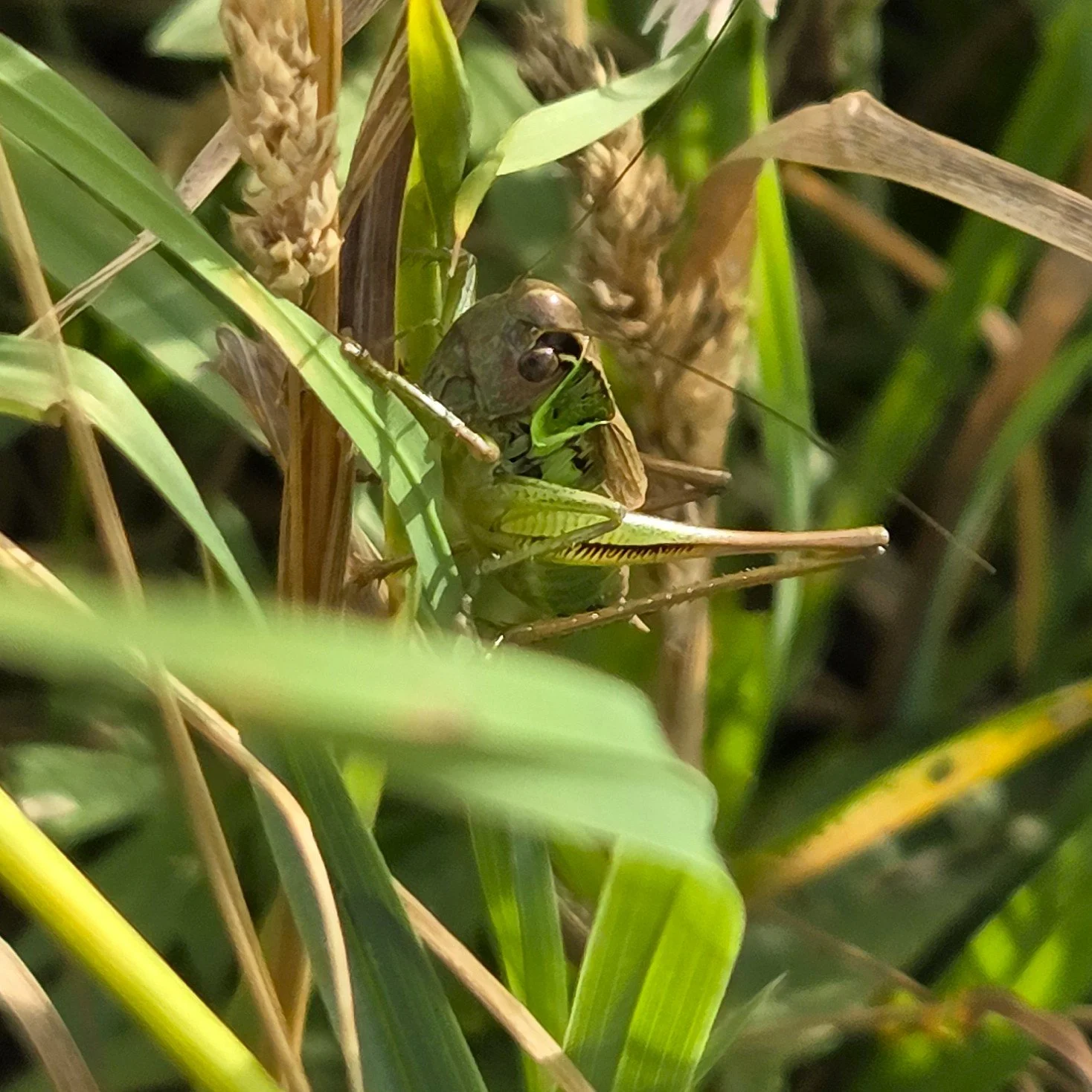
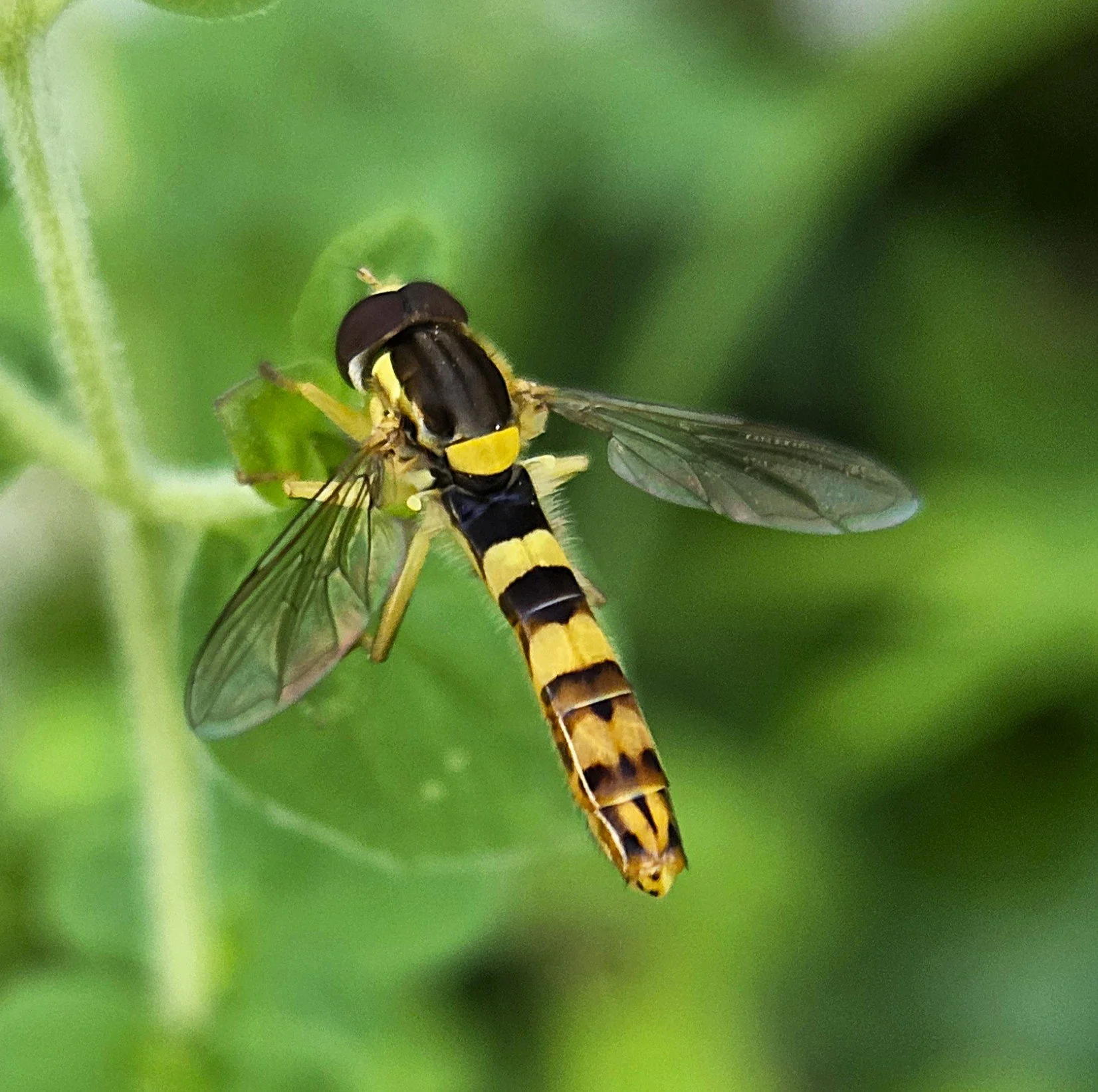
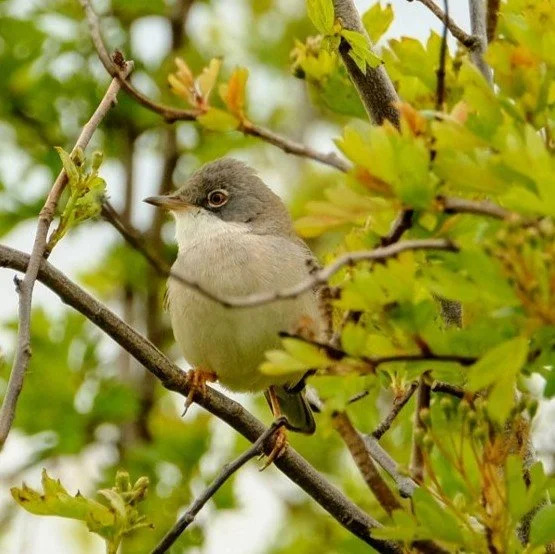
Of the 512 species recorded on the day of the BioBlitz, 366 were animals, 140 plants and 6 fungi – the latter were all lichens.
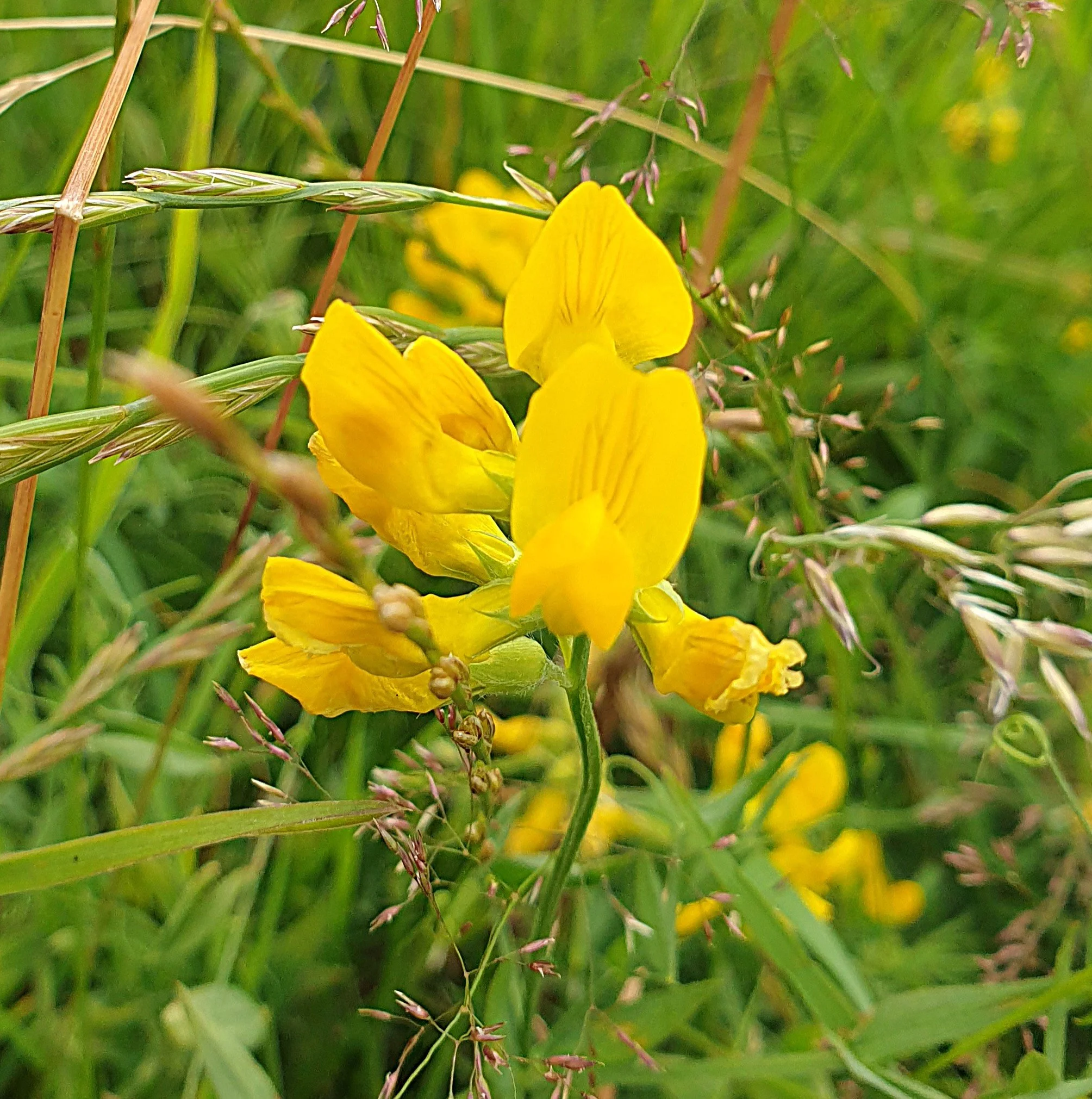
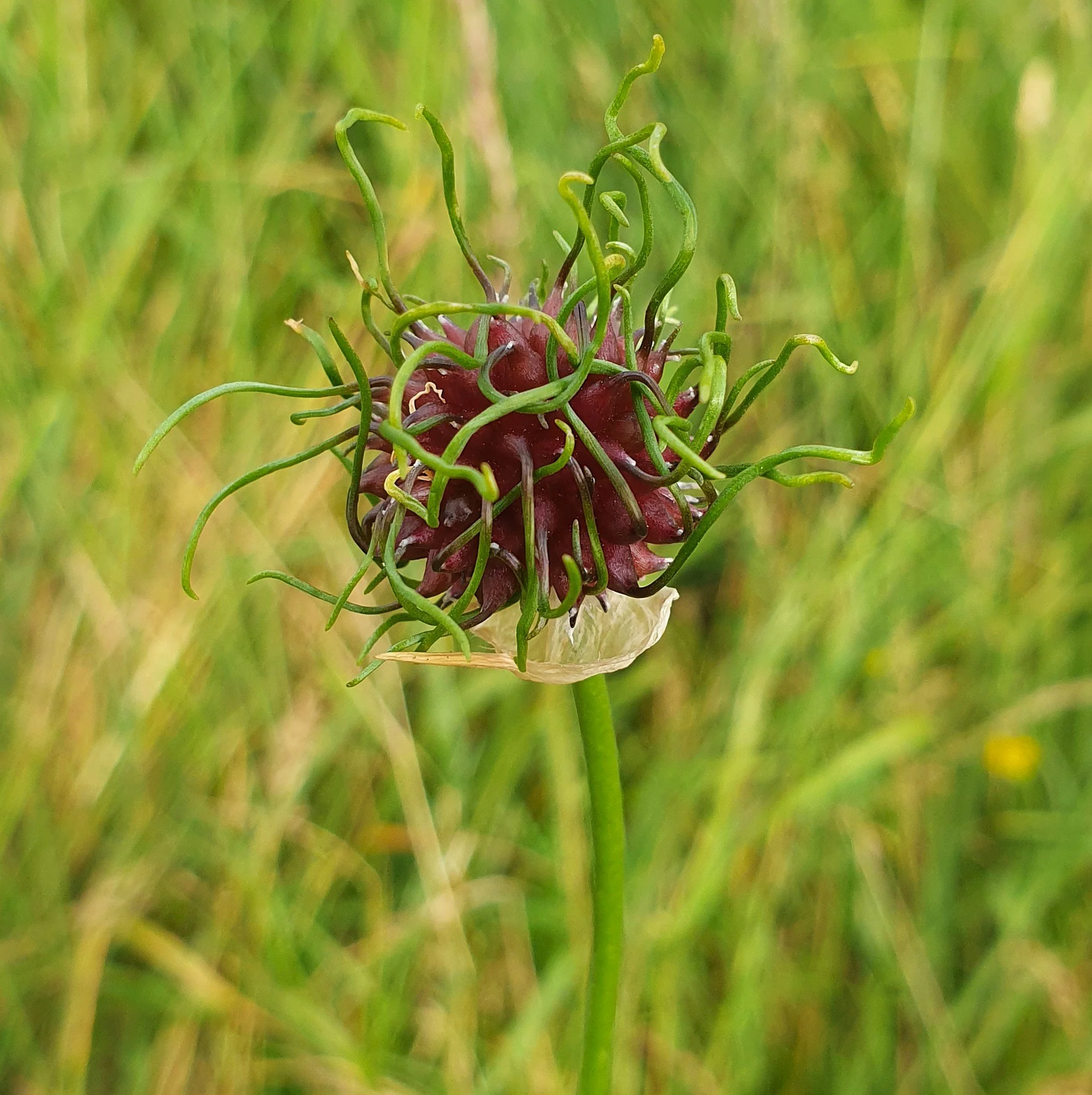
Most of the plants recorded have been spotted in around the BioBlitz sites previously; we did, however, add half a dozen new species to the Long Meadow list. We also benefitted from expert advice to differentiate several micro-species of elm present in the area.
The first pie chart picks out the general mix of species whilst the second splits the insects into the main sub-groups.
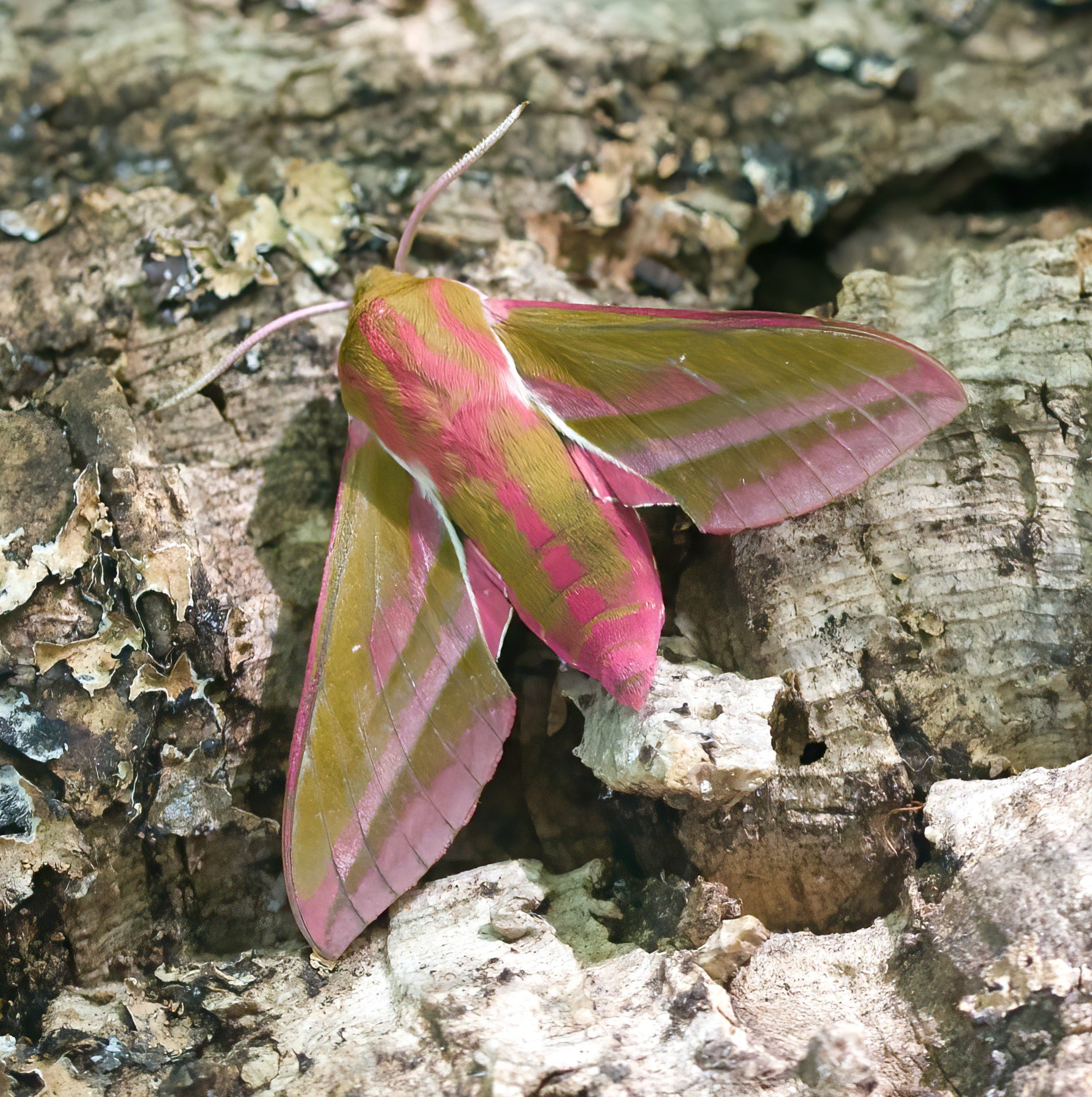
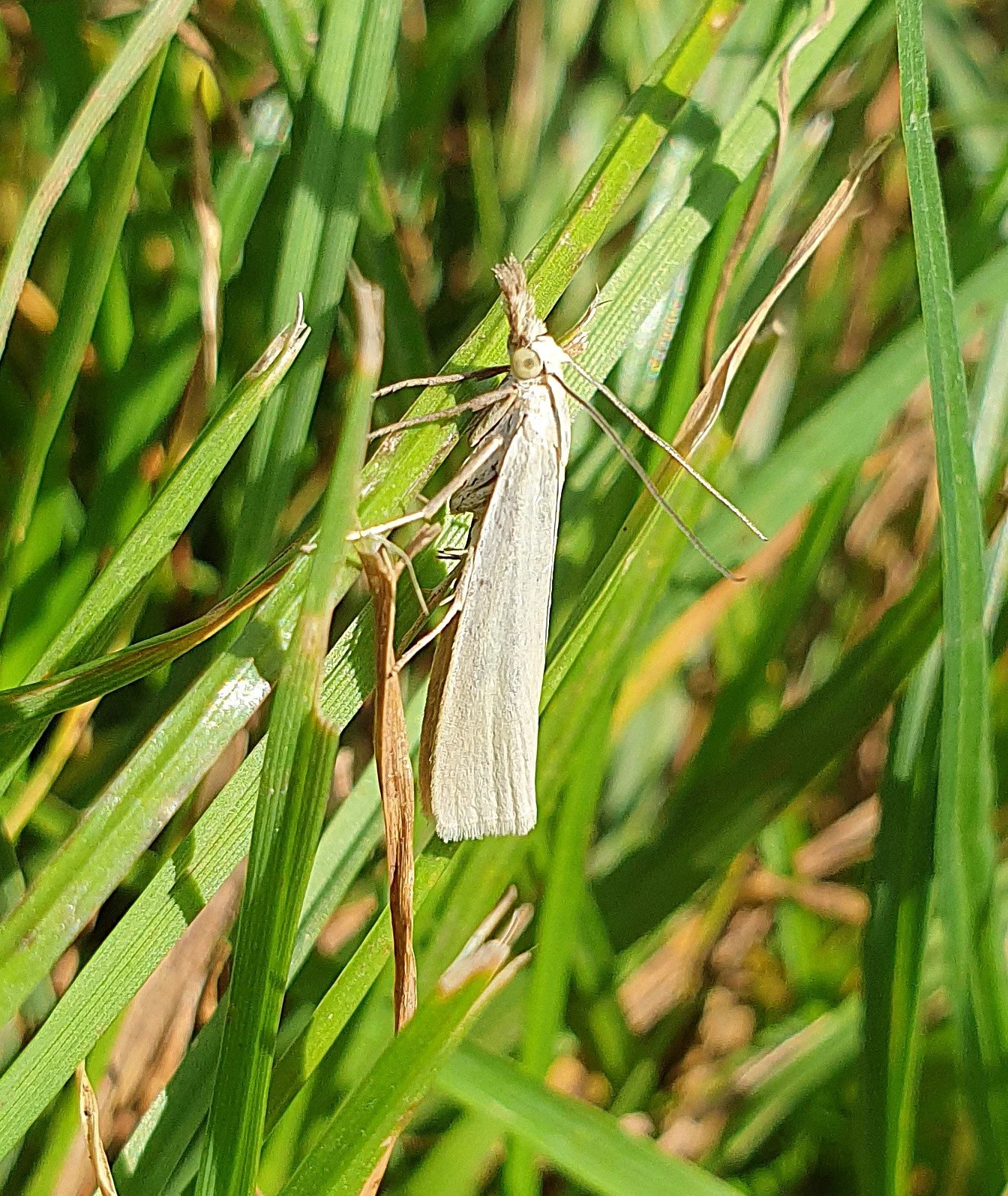
The moths were the largest group of species (204 different kinds), most of which were attracted to light traps in the Orchard. These included eight Nationally Scarce species. Two of these, Small Fruit Moth and Southern Apple Moth, are unsurprising orchard visitors but the others are drawn to foodplants generally found in other habitats.
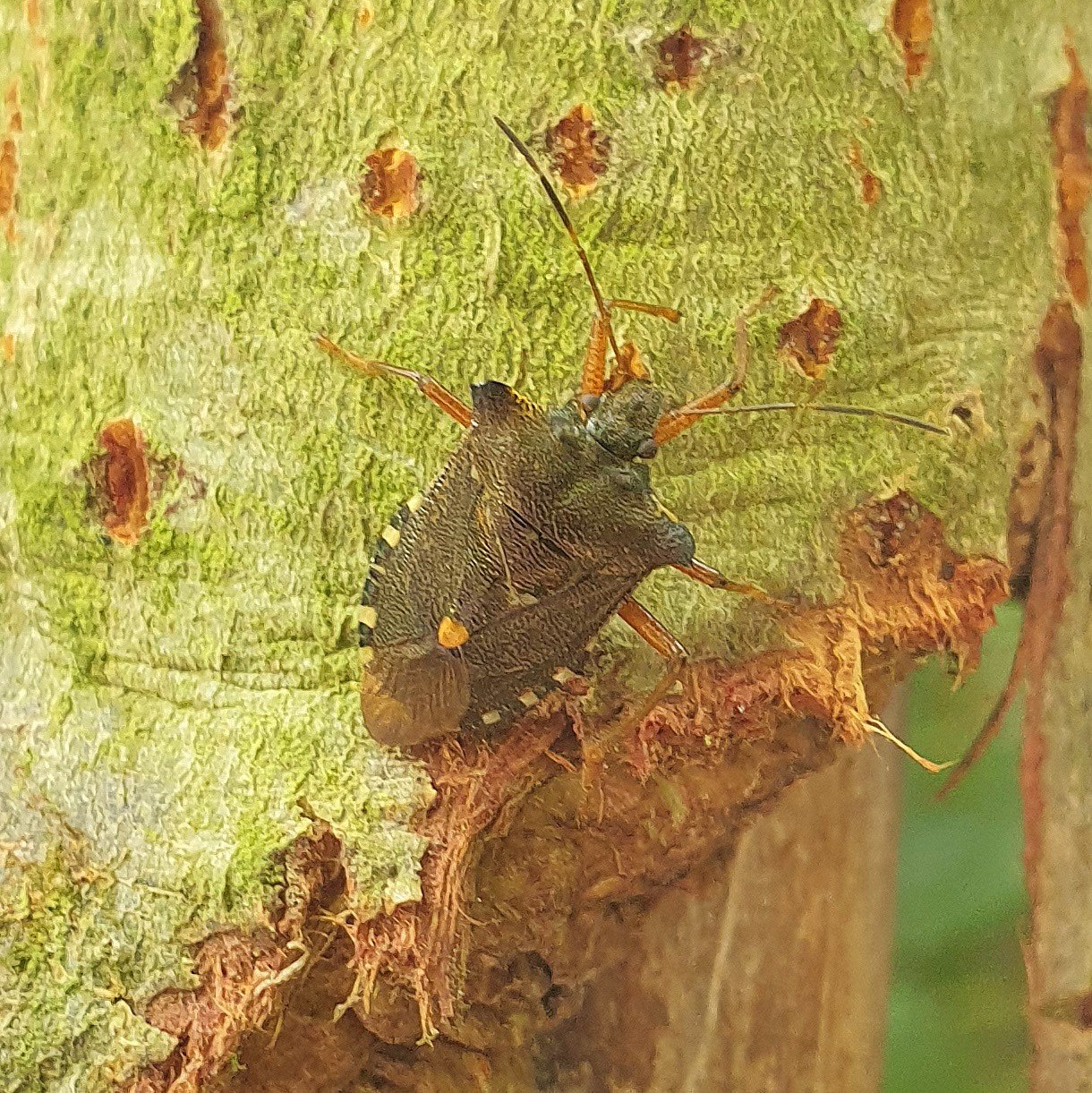
True bugs formed the next largest animal group. Following relatively little searching five were recorded at the Orchard / Manor Park Field. A more sustained effort at Long Meadow yielded 36 species there, of which 23 were new for the site.